
A practical r6 marketplace tradable items guide helps United States traders tell which skins can be listed, which stay locked to an account, and which need extra steps before they can ever change hands. Check tradability before you buy or sell today.
Nothing wastes a trading session faster than planning a sale for a skin that cannot be listed. You research the price, decide on a net amount, open the marketplace, and then discover that the item is not eligible. That disappointment is avoidable, because tradability usually follows patterns that you can learn. Some items are made for trading, some are tied to an account by design, and some need a waiting period or another step first.
This guide explains those patterns in plain language for United States traders. It gives you a checklist to use before you buy or sell, and it explains the most common reasons an item stays locked. Tradability details are framed as fan-guide reports, not verified official policy, so always confirm an item's status in the game or marketplace itself. No current prices or open and closed claims are made here.
What Tradable Means
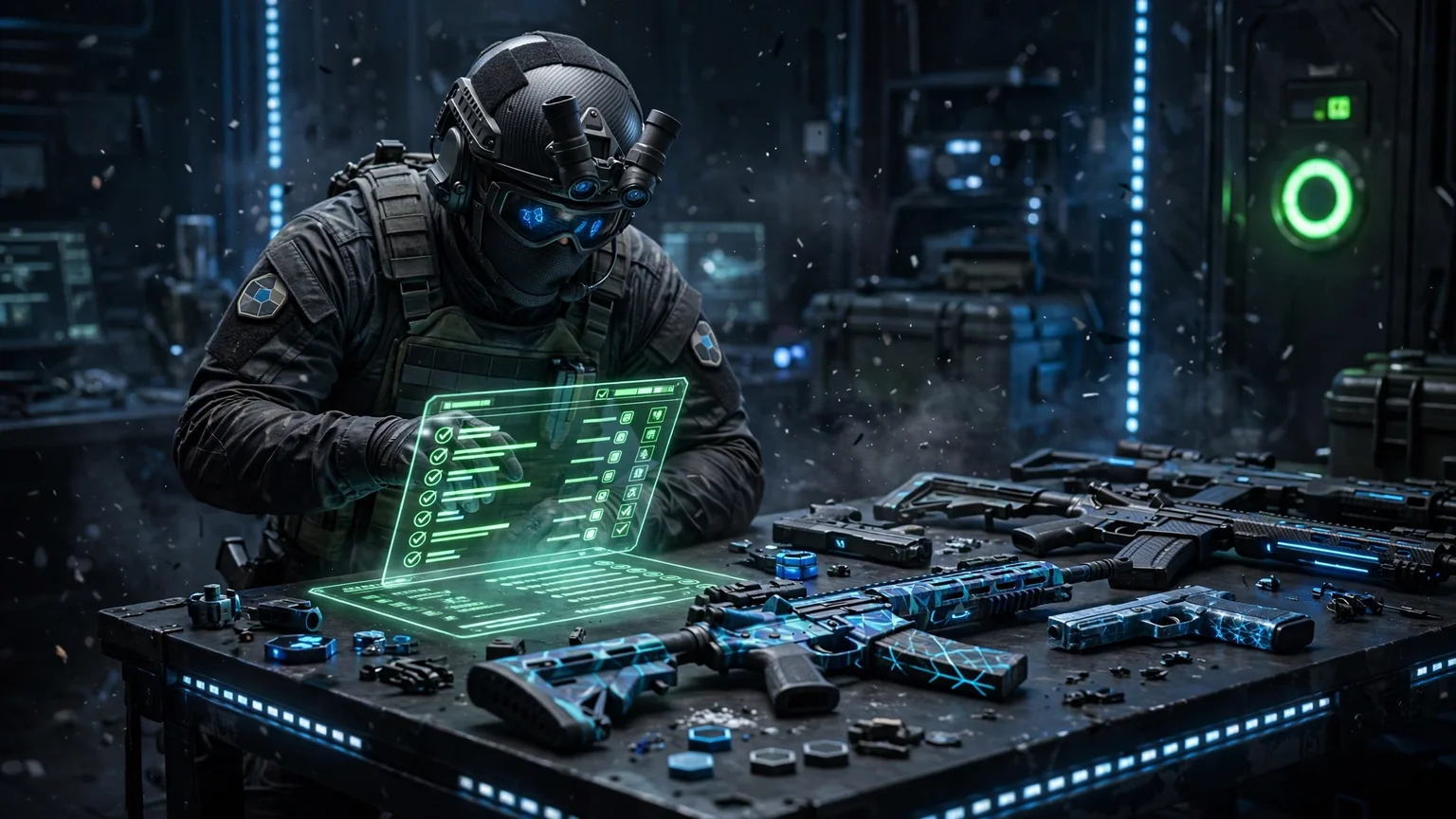
A tradable item is one that the marketplace system allows you to list for sale or offer to buy. Tradability is about eligibility, not value. A common skin can be tradable, and a rare skin can be locked. Value and tradability are separate questions, and confusing them leads to bad plans. Always ask first whether an item can move, and only then ask what it might be worth.
Tradability can also change over time for the same item in your hands. A skin you just bought may be inside a cooldown and therefore not yet listable, even though the same type of skin is tradable in general. An item tied to a special event, reward, or account progression may remain locked permanently. The item type tells you the general rule, while your own purchase history tells you the personal rule for that copy.
For United States traders, the safest mindset is to treat every item as unconfirmed until you have checked it. That sounds cautious, but it takes only a moment, and it prevents the most common trading frustration. A quick check before a purchase is far cheaper than a purchase made for resale that cannot be resold.
Items That Are Usually Tradable
In the model described by fan guides, many standard weapon skins obtained through regular play, packs, or marketplace purchases are tradable, subject to cooldowns and account rules. These are the backbone of marketplace trading, because they move between players and create the order book that everyone reads. If you are building a trading routine, these are the items to focus on first.
Seasonal and event skins can also be tradable in many cases, though their availability depends on the specific item and how it was obtained. A skin that was widely available during an event may trade freely afterwards, while a skin given as a personal reward may not. The difference is not always obvious from the look of the skin, which is why checking the individual item matters more than guessing from its appearance.
Charms, uniforms, headgear, and other cosmetics follow their own patterns, and some categories trade more freely than others. Rather than assuming a whole category is tradable, check the item itself. That item-by-item habit is the difference between a trader who rarely hits a wall and a trader who hits one every session.
Items That Usually Stay Locked
Some items stay locked to an account by design. These often include rewards tied to personal progression, exclusive account-linked items, and certain promotional or starter items that were never intended for resale. The system treats them as part of your account history, not as inventory to be traded. No price, however high, changes that status.
Other items may appear tradable at first glance but remain locked because of how you obtained them. An item earned through a specific challenge, a linked account reward, or a one-time grant may carry a lock that a normally purchased copy of a similar-looking item does not. Two skins that look alike can therefore have different tradability, and the only reliable check is the item's own status in game.
It is also worth remembering that a locked item is not a broken item. It can still be used in your loadouts, enjoyed in matches, and kept as part of your collection. Locking simply means it cannot change hands on the marketplace. Traders who accept that distinction enjoy their locked items instead of resenting them, and they focus their trading energy on items that can actually move.
The Checklist Before You Buy or Sell
Use this short checklist every time, and you will avoid most tradability surprises. First, confirm the item's own marketplace status in game, not just its name or appearance. Second, check whether you have just bought it and are still inside a cooldown. Third, confirm your account meets the marketplace basics, using the marketplace requirements guide. Fourth, confirm the listing steps in the how to use R6 Marketplace guide.
Fifth, think about why you are trading the item. If you are buying for resale, tradability is the whole plan, so the check is essential. If you are buying for your own loadout, tradability matters less, because you will enjoy the skin whether or not it can later be sold. That difference in purpose should change how much weight you give to the check, but it should never remove the check entirely for a resale purchase.
Keep a note of items you have confirmed as tradable, especially if you trade the same types repeatedly. That personal list grows into a reliable reference, and it saves you from rechecking the same skins every session. A trader's notebook, even a digital one, is one of the simplest tools in the whole marketplace.
Extra Steps That Can Unlock a Listing
Some items need an extra step before they can be listed. The most common step is simply waiting out a cooldown after purchase. Another step may involve meeting an account requirement, such as a level, verification, or eligibility condition reported by fan guides. A third step may involve confirming that the item is the tradable version, rather than a locked variant with a similar name.
When an item will not list, work through those steps in order. Check the cooldown first, because it is the most common temporary block. Check account requirements second, because they affect everything you try to list. Check the item variant third, because a locked variant will not become tradable no matter how long you wait. That order saves time, because it checks the most likely cause first.
If an item remains unlistable after those checks, accept the result and move on. Spending a whole session trying to force a locked item to list is a poor use of trading time. Use the item, enjoy it in play, and redirect your trading plan toward items you have already confirmed as tradable. Good traders know when to stop pushing a locked door.
Building a Tradable Inventory for US Traders
A healthy trading inventory is built gradually. Start with a small number of confirmed tradable skins for operators and weapons you actually play. Learn how those items behave, how quickly they move, and what prices feel fair. Then expand slowly, adding new types only after you have confirmed their tradability. That gradual approach builds confidence and avoids a large inventory full of items you cannot move.
For general inspiration, the best R6 Marketplace skins guide offers a useful overview of skins United States players commonly value, though your own loadout preferences should guide your choices. A skin you love using is worth keeping even if it never trades, while a skin you bought only for resale must pass the tradability check before it earns a place in your plan.
Finally, review your inventory regularly. Items that were once locked may become tradable under changed rules, and items you once planned to sell may become favourites you want to keep. A short monthly review keeps your inventory honest, your trading plan realistic, and your sessions focused on items that can actually change hands.
Frequently Asked Questions
What are r6 marketplace tradable items?
They are items that the marketplace system allows you to list for sale or offer to buy. Tradability is about eligibility to trade, not about value, and it should be confirmed for the individual item in game.
Why is one skin tradable and a similar one locked?
Because tradability can depend on how the item was obtained, not just how it looks. A purchased copy and a reward or account-linked copy of a similar item can have different statuses, so check the item itself.
Does a cooldown mean an item is permanently locked?
No. A cooldown is a temporary wait after purchase, reported by fan guides, after which a generally tradable item should become listable again. A permanent lock is a different, account- or item-based restriction.
Should I check tradability before buying for resale?
Yes, always. For a resale purchase, tradability is the whole plan. Checking first prevents buying an item that cannot be resold, which is one of the most expensive beginner mistakes.
What should I do if an item will not list?
Check the cooldown, then your account requirements, then whether the item is a locked variant. If it remains unlistable, use it in play and redirect your trading plan to confirmed tradable items.
Related guides: R6 Operator Skins Tradable: An Easy Eligibility Guide for Marketplace Trading, How to Buy on R6 Marketplace: An Easy Step-by-Step Guide for Players, Browse R6 Marketplace, R6 Bundles Marketplace: An Easy Guide to How Players Can Judge a Bundle Before Buying.
Final Conclusion
Tradability is the first question in any trading plan, not an afterthought. Check the item itself, check for a cooldown, confirm your account basics, and only then decide on price and timing. United States traders who follow that order will rarely waste a session on a skin that cannot move, and they will build inventories that actually trade. Keep the skins you love, sell the confirmed tradable skins you no longer need, and let a short checklist protect every purchase you make for resale. Start from the R6 Marketplace homepage whenever you need to reset and check the basics again.
Official source: Rainbow Six Siege.