
Cannabis flower can vary considerably in appearance, aroma, cannabinoid composition, plant structure, and cultivation characteristics. These differences are not random. They develop through a combination of genetics, breeding decisions, growing conditions, and post-harvest handling. Although product names often suggest a distinctive identity, the characteristics associated with a particular cannabis variety are more complex than a name or category alone can communicate.
Cannabis breeding involves selecting plants with particular inherited traits and reproducing them to explore or maintain those characteristics. Over multiple generations, breeders may work toward more consistent cannabinoid ratios, particular aromatic profiles, specific flowering times, or physical characteristics suited to cultivation. However, inheritance is complex, and offspring do not always reproduce every feature of their parent plants.
Understanding how breeding shapes cannabis flower profiles provides useful context for interpreting product descriptions and scientific information. It also explains why two products with similar names may differ and why a familiar variety name cannot replace reliable information about a specific batch.
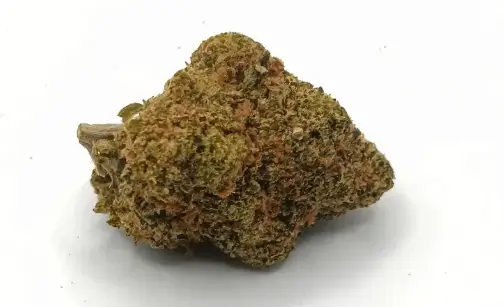
1. The Role of Genetics in Cannabis Flower Characteristics
Genetics provides the foundation for many of the characteristics observed in cannabis plants. A plant’s genetic makeup influences how it develops, including its growth pattern, flowering behaviour, potential cannabinoid composition, and capacity to produce aromatic compounds. These inherited characteristics help explain why different cannabis varieties can produce noticeably different flowers even when cultivated under similar conditions.
Cannabis contains several groups of compounds, including cannabinoids and terpenes. Cannabinoids such as THC and CBD are produced through biochemical pathways involving enzymes whose activity is influenced by genetic variation. Terpenes contribute to the plant’s distinctive aromas and are also influenced by inherited traits.
However, genetics does not determine every characteristic in isolation. Temperature, light, humidity, nutrient availability, plant maturity, and other environmental conditions can affect how inherited traits are expressed. A plant with the genetic potential to produce a particular chemical profile may not express that profile identically under every growing condition.
Research has documented substantial variation in cannabis characteristics, including differences among plants carrying the same variety label. A study examining cannabis samples from the Canadian legal market found significant variation in physical, agricultural, and chemical traits across the plants examined. These findings illustrate why a variety name should not be treated as a guarantee of identical characteristics. Research on Canadian cannabis varieties provides further detail on this diversity.
For consumers reading product descriptions, the practical distinction is between genetic potential and the characteristics measured in a finished product. Genetics helps explain how differences arise, while testing and accurate documentation provide more specific information about an individual batch.
2. How Selective Breeding Shapes Cannabis Varieties
Selective breeding is a process in which plants with chosen characteristics are used as parents for subsequent generations. In cannabis, breeders may select plants according to traits such as flowering time, plant height, flower structure, cannabinoid composition, terpene production, or resilience under particular cultivation conditions.
The process generally involves several stages:
- Trait identification: Breeders establish which characteristics they want to study or maintain.
- Parent selection: Plants displaying relevant characteristics are chosen for breeding.
- Crossing: Selected parent plants are crossed to produce offspring with combinations of inherited traits.
- Evaluation: The resulting plants are assessed to determine how consistently the desired characteristics appear.
- Further selection: Plants may be selected across additional generations to improve consistency or investigate particular combinations of traits.
These steps do not guarantee a specific outcome. Offspring inherit combinations of genetic material from both parents, and different plants from the same cross can display different characteristics. Some traits may appear strongly in one generation but less consistently in another.
Breeding goals can also involve trade-offs. A plant selected for one characteristic may not perform as well in another area. For example, flowering time, yield, and cannabinoid concentration can interact in ways that complicate selection. Research into cannabis genetics has shown that cannabinoid inheritance involves multiple genetic factors rather than a simple, universal pattern.
Crossbreeding can create new combinations of existing traits, but it does not automatically produce a superior or more consistent variety. The outcome depends on the genetic material involved, the traits being selected, the breeding process, and how the resulting plants are evaluated.
For that reason, descriptions of breeding history are most useful when they are supported by clear records. Broad claims about parentage or consistency are difficult to assess when the underlying breeding information has not been documented.
3. Cannabinoid Profiles and the Chemistry of Flower
Cannabinoid composition is one of the main areas in which breeding can influence cannabis flower profiles. THC and CBD are two widely discussed cannabinoids, but cannabis contains additional compounds, including CBG and CBC, as well as their acidic precursor forms in unprocessed plant material.
Breeders may select plants with different cannabinoid characteristics, including THC-dominant, CBD-dominant, or more balanced profiles. These differences are associated with variations in the genes and biochemical pathways involved in cannabinoid production.
Researchers commonly classify cannabis chemical profiles, or chemotypes, according to the relative abundance of major cannabinoids. This approach focuses on measured chemistry rather than relying exclusively on familiar commercial names. It can therefore provide a more informative description of a plant’s chemical characteristics.
Nevertheless, cannabinoid content is not determined by genetics alone. Plant maturity, cultivation conditions, sampling methods, and laboratory procedures can influence reported measurements. The values shown on a finished product label relate to that product and should not automatically be applied to every batch carrying the same variety name.
It is also important to distinguish between total cannabinoid content and the relative proportions of individual compounds. Two flowers may have similar reported THC concentrations while differing in CBD levels or other measured constituents. Conversely, products with different names may show overlapping chemical profiles.
A careful comparison should therefore consider the available laboratory results, the units used, and whether the information refers to the flower itself or a processed product. Percentages, milligrams per gram, and milligrams per package describe different quantities and should not be compared without accounting for those differences.
Cannabinoid information can help explain a product’s composition, but it does not independently establish product quality or predict an individual’s response. Clear measurements are more informative than broad descriptions that treat a single cannabinoid value as a complete account of a flower’s characteristics.
4. Terpenes, Aroma, and Differences Between Flower Profiles
Terpenes are another important part of cannabis chemistry. These compounds occur in many plants and contribute to the aromas associated with herbs, citrus fruits, flowers, spices, and other natural materials. In cannabis, terpene mixtures contribute to the range of aromatic profiles found across different varieties.
Examples commonly discussed in cannabis research include myrcene, limonene, pinene, linalool, and beta-caryophyllene. Their relative amounts can vary among plants, contributing to differences in scent and chemical composition.
Breeding can influence terpene profiles by selecting plants that produce particular compounds or combinations of compounds. However, the relationship between a variety’s name and its aroma is not always consistent. Studies have found variation in terpene composition among samples carrying the same cultivar label, highlighting the limitations of using names alone to identify chemical characteristics.
Environmental conditions and post-harvest handling also matter. Terpenes differ in their volatility, and drying, curing, storage, and exposure to heat or air can change the composition of aromatic compounds. Consequently, the aroma of a finished product may not perfectly reflect the profile observed in a growing plant.
Descriptions such as citrus, earthy, floral, pine-like, or spicy are useful as general sensory references, but they are not substitutes for chemical analysis. People can also perceive the same aroma differently, and sensory descriptions do not establish the presence or concentration of a particular compound.
When comparing flower profiles, it is helpful to separate three kinds of information: a sensory description, a laboratory measurement, and a claim about the product’s effects. These are not interchangeable. An aroma description communicates a perceived characteristic, while laboratory analysis can quantify selected compounds. Neither alone proves a particular outcome for every consumer.
5. Why Growing Conditions and Phenotype Matter
A plant’s genotype refers to its genetic makeup, while its phenotype refers to the observable characteristics that develop through the interaction of genetics and environmental conditions. This distinction is important when examining cannabis flower because plants with similar genetic backgrounds can develop differently under different conditions.
Light intensity, temperature, humidity, water availability, nutrient management, and plant maturity can all influence growth and chemical development. Cultivation practices may also affect flower density, plant structure, and the quantity or composition of compounds produced.
For example, a particular genetic line may have the potential to produce flowers with certain cannabinoid characteristics, but environmental stress or differences in maturity can affect the final measurements. The direction and magnitude of these effects depend on the plant and the conditions involved.
This is one reason commercial consistency requires more than choosing parent plants with desirable traits. Growers and producers must also manage cultivation conditions, monitor plant development, and evaluate the finished material. Consistency is an outcome to be measured, not an automatic consequence of a variety’s name.
For consumers reviewing online listings, the same principle applies. A description of genetics or breeding history can provide background, but it does not necessarily reveal how a particular batch was grown or handled. Where available, batch-specific laboratory reports, production details, and storage information offer additional context.
Resources such as west coast bud may be considered alongside other sources of product information when readers are examining cannabis categories and descriptions. The most useful approach is to look for specific, verifiable details rather than assuming that a familiar label guarantees identical appearance, aroma, or composition every time.
6. Variety Names, Product Descriptions, and Reliable Information
Cannabis variety names can help organize products and communicate a claimed genetic background. However, naming conventions are not always standardized across the industry. The same name may be used by different producers, while related plants may be marketed under different names.
Research has raised questions about how accurately commercial labels reflect genetic relationships and chemical characteristics. One study examining cannabis samples found that plants labelled “Sativa” and “Indica” were not clearly separated genetically across the genome-wide markers analysed. This does not mean that all cannabis flowers are identical. Rather, it demonstrates that familiar labels may not reliably capture the full range of genetic and chemical variation.
Product descriptions are most useful when they distinguish between established facts and general marketing language. Information that can support a meaningful comparison includes:
- The product’s stated cannabinoid content and the units used.
- Available terpene measurements or clearly identified sensory descriptions.
- Batch or lot identification and relevant testing documentation.
- The producer’s stated information about the variety’s genetic background.
- Packaging dates, storage guidance, and other details relevant to product condition.
- Any limitations in the available information.
Descriptions should not present a strain name, aroma category, or breeding story as proof of potency, purity, safety, or a predictable experience. Those conclusions require different kinds of evidence, and some cannot be established by a product description alone.
Readers exploring west coast cannabis information can apply the same principles when comparing listings from different sources. Looking beyond names and promotional descriptions makes it easier to identify which details are measurable, which are based on reported production history, and which are subjective impressions.
Accurate product information also benefits the wider industry. Consistent naming practices, traceable batch records, transparent testing, and clear distinctions between measured results and marketing claims help make comparisons more meaningful. As cannabis genetics research develops, improved characterization may provide more precise ways to describe the differences between varieties.
Conclusion
Cannabis breeding helps shape the wide range of flower characteristics found in the market. Through selective breeding and crossbreeding, growers and breeders can explore inherited differences in cannabinoid composition, terpene production, flowering behaviour, and physical structure. Yet genetics is only one part of the process. Environmental conditions, plant maturity, cultivation methods, and post-harvest handling also influence the final product.
The distinction between a variety’s genetic potential and a finished flower’s measured characteristics is especially important. Names and broad categories can offer background, but they cannot guarantee identical chemistry or quality. Laboratory results, batch documentation, transparent descriptions, and careful interpretation provide a more reliable basis for understanding product differences.
As research into cannabis genetics continues, clearer characterization may improve how varieties are identified and described. Until then, a balanced approach that values verifiable information over assumptions remains essential for understanding the diversity of cannabis flower profiles.