
Dust Line was a desert season that still shapes collections today, and this guide explains how dust line skins r6 work, why players want them, and how United States traders should judge them. Use it to compare sets fairly before spending any credits.
Dust Line arrived as a season built around heat, dust, and a border map that felt very different from the indoor maps many players knew first. It introduced new operators, a new setting, and a set of cosmetics that carried that desert identity. Years later, players still talk about Dust Line because it was one of the early seasons that gave Siege a clear sense of place. The skins from that era feel grounded, weathered, and practical, rather than flashy for its own sake.
For United States collectors, Dust Line skins are interesting for a different reason. They represent an early chapter in Siege history, and early-season items often carry a sense of nostalgia that later items do not. If you started playing later, Dust Line can feel like a piece of history you missed. If you played back then, it can feel like a reminder of how the game used to look and play. Either way, it helps to understand what the season offered before you buy or trade anything linked to it.
What Dust Line Was, in Plain Terms
Dust Line was a Siege season set around a desert border environment. Its map, Border, mixed tight indoor rooms with open outdoor sightlines, and that mix shaped how players moved, held angles, and used gadgets. The season also brought operators whose tools fitted that setting: one focused on breaching and armour, the other on cameras and information. Those operator ideas are still part of Siege today, even though the game has changed a great deal since then.
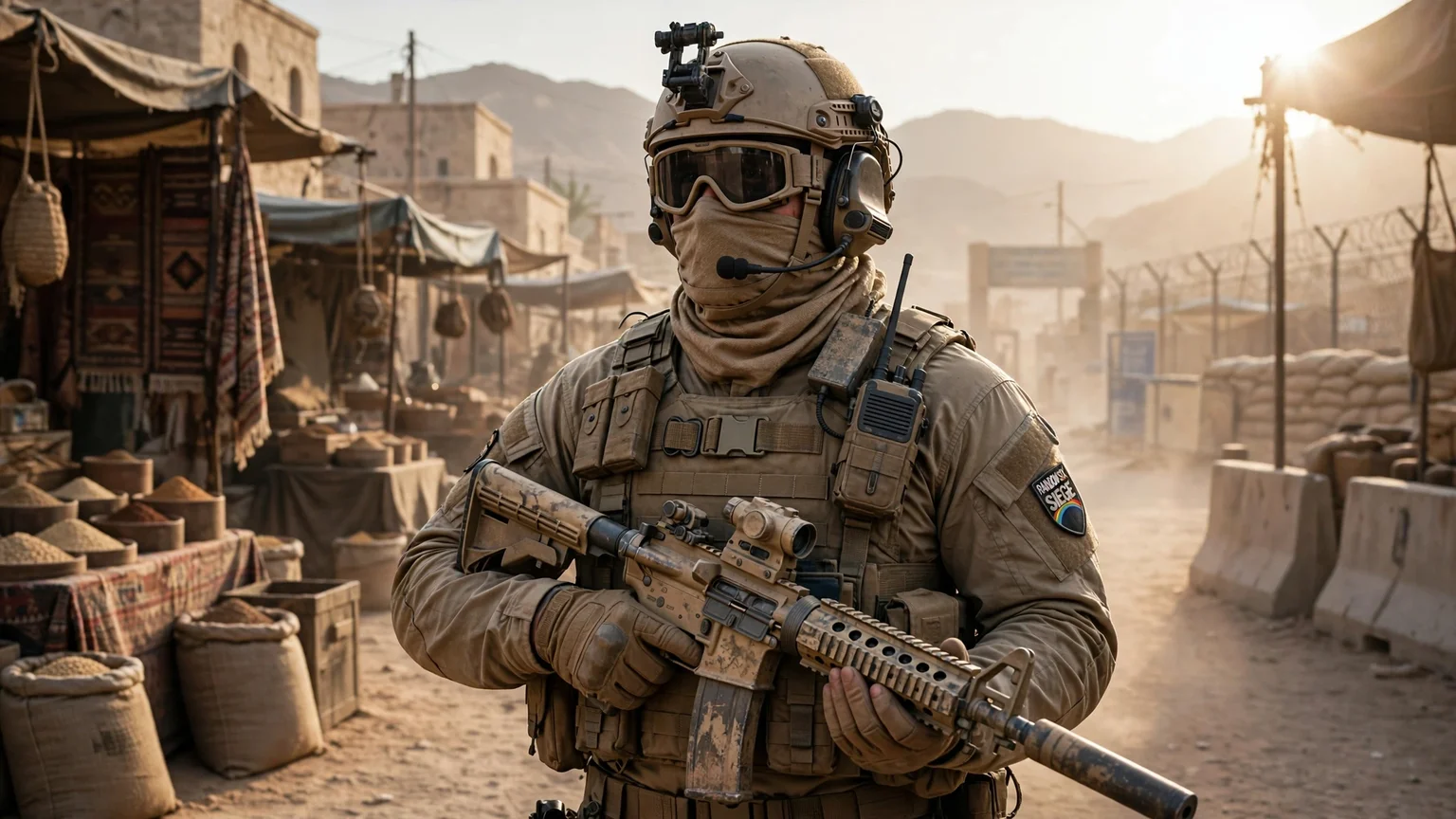
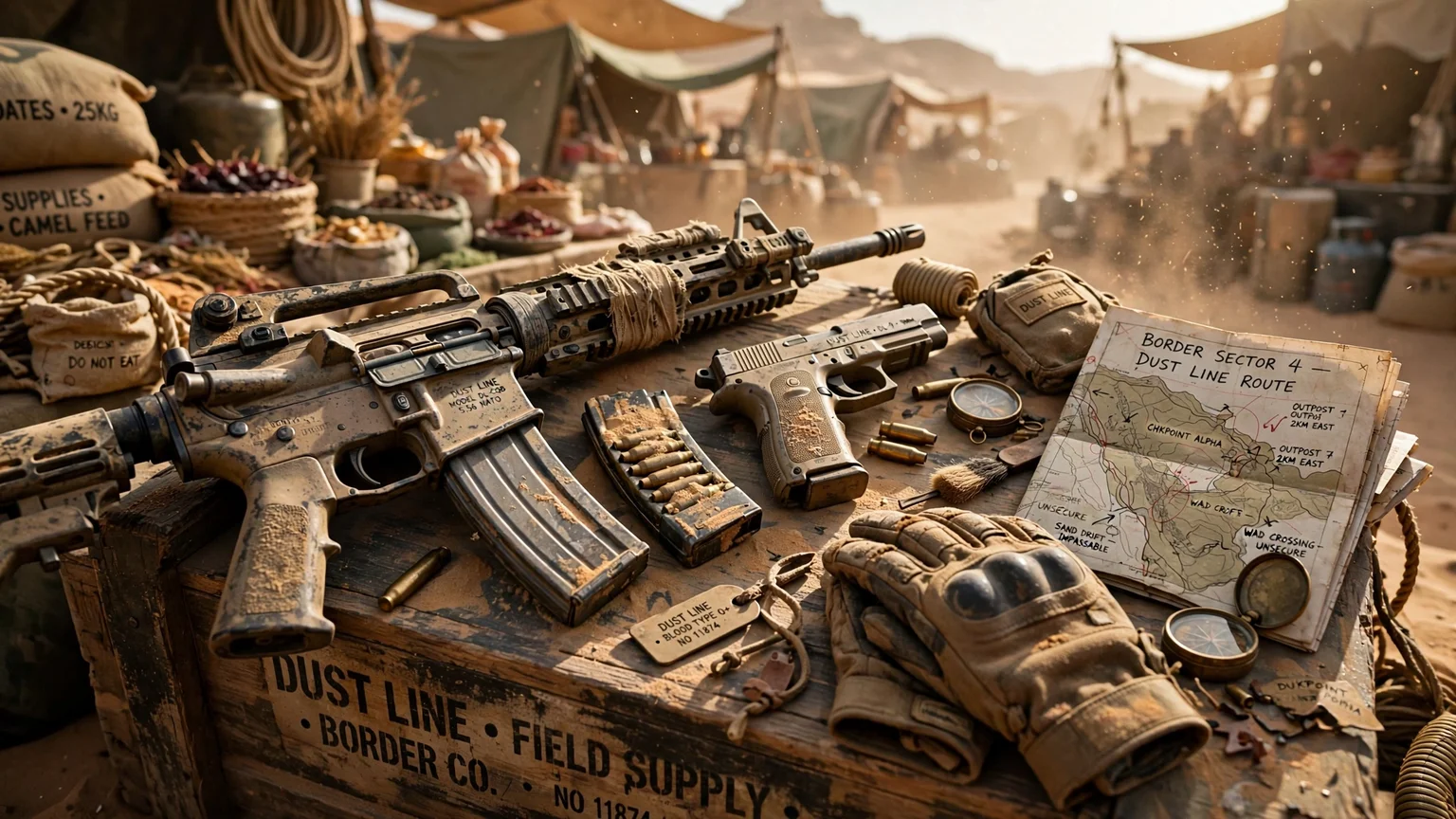
The skins linked to Dust Line carry that same desert logic. They tend to use sandy tones, muted browns, and weathered textures that look like they belong in a dusty, sun-baked place. They are not neon, and they are not covered in large logos. Instead, they look like equipment that has spent time outdoors. That restraint is why many players still rate them highly. A Dust Line finish looks believable on a weapon, and it pairs well with desert and neutral uniforms.
It is worth separating two ideas here. Some items are directly tied to the Dust Line season, while others simply share a desert theme. A sandy skin released later is not automatically a Dust Line skin. When you are collecting, check the item name and description carefully, and do not assume a theme equals a season. That small check saves a lot of confusion, especially on the marketplace, where similar-looking items sit side by side.
Why Dust Line Skins Still Appeal
Dust Line skins appeal because they are both historic and usable. Historic items can sometimes feel like museum pieces: interesting to own, but odd to use every day. Dust Line finishes avoid that problem because their colours are practical. A sandy, weathered weapon looks natural on most maps, from bright outdoor areas to dim indoor corridors. You do not need a special uniform to make it work, and you do not need to explain it to anyone.
There is also a nostalgia factor that is hard to fake. Early Siege seasons had a smaller, tighter feel. Maps were fewer, operators were fewer, and the community was still learning the game together. For players who were there, Dust Line skins recall that period. For newer players, they offer a way to connect with that history without pretending they were there. Either motivation is valid, as long as you buy for enjoyment rather than for a promised return.
Another reason is versatility across operators. Because Dust Line finishes are muted, they do not clash with most headgear and uniforms. You can use a desert-toned weapon with a dark uniform for contrast, or with a tan uniform for a full desert look. Both work. That flexibility matters if you have a small collection and want each item to earn its place across several loadouts.
How to Judge a Dust Line Skin Before Trading
Start with the weapon, as always. A Dust Line-style finish on a rifle you use every match is worth far more to you than the same finish on a sidearm you never draw. Next, look at the finish in different lighting. Desert tones can look washed out in very bright menus and muddy in very dark maps. A good finish keeps its texture and shape in both, so you can still see the weapon details clearly.
Then check the exact item name. Marketplace listings can include several similar desert finishes, and a small wording difference can mean a different item, a different season, or a different bundle. Read the listing twice, compare it with the in-game item screen if you can, and do not rush because a listing looks popular. Popularity in a screenshot is not proof of value, and it is not proof that the item is what you think it is.
Finally, think about your budget in general terms. Fan guides and community discussion can help you understand how players talk about value, but they do not set official prices. The R6 Marketplace prices page is a useful companion for that general discussion, and the best R6 Marketplace skins guide shows how seasonal finishes compare with other popular options. If you are new to trading itself, read how to use R6 Marketplace before you place anything, so the process feels familiar rather than rushed.
Building a Desert-Themed Loadout
A desert-themed loadout works best when it stays restrained. Choose one main weapon finish, then add a uniform and headgear in a matching sandy or neutral tone. Avoid adding a bright charm, a loud uniform, and a patterned weapon all at once, because the desert look loses its realism when everything competes for attention. One accent is enough, and often no accent is best.
Consider your operators, too. Dust Line is linked in players' minds with the operators of that season, but you do not have to limit a desert finish to those operators alone. A sandy weapon can look just as natural on a later operator, especially if that operator wears neutral gear. The goal is a loadout that feels coherent, not a history lesson that restricts you to two operators.
If you record clips or take screenshots, desert finishes also have a practical benefit. They read clearly on bright maps, where a very dark weapon can sometimes blend into shadows, and they do not glare in the way a glossy finish can. That readability is a small thing, but over hundreds of matches, small things add up to a loadout you enjoy looking at.
Common Mistakes With Seasonal Skins
The biggest mistake is assuming every desert skin is a Dust Line skin. Theme is not the same as origin, and sellers or community posts sometimes use season names loosely. Always verify the item itself. Another mistake is overpaying for nostalgia. Nostalgia is real, but it is personal. What feels priceless to one player may feel ordinary to another, so do not let someone else's excitement set your budget.
A third mistake is buying a seasonal skin without checking tradability. Some seasonal and event items have different rules from regular weapon skins, and those rules can change over time. Always check the live marketplace or in-game screen for that specific item before you assume it can be listed or received. Community guides can explain the general idea, but only the live screen shows the current status for that item.
Lastly, avoid treating any fan-guide figure about fees, limits, or cooldowns as official policy. Those details are often reported by players and guides, and they can be outdated or incomplete. Treat them as a prompt to check the current screens yourself, not as a guarantee. That habit protects you across every season, not just Dust Line.
| Dust Line check | What to look for | Why it helps |
|---|---|---|
| Exact item name | Season and bundle wording | Avoids theme-only confusion |
| Weapon use | Your main guns first | Keeps purchases practical |
| Lighting test | Bright menu and dark map views | Shows true texture |
| Live tradability | Current marketplace screen | Confirms the item can move |
Frequently Asked Questions
Are Dust Line skins rare?
Some Dust Line-linked items are harder to find than regular store items, because they come from an older season. Rarity varies by item, though, and a desert theme alone does not make something rare. Check the specific item, its availability, and recent community discussion before you judge rarity.
Do Dust Line skins work on any operator?
Weapon skins in Siege are tied to specific weapons, not to a season as a whole. A Dust Line-style finish can only be used on the weapons it was made for. Check the weapon list for that item before you buy, especially if you want it for a particular operator.
Are Dust Line skins a good investment?
No guide can promise that, and this guide does not. Buy Dust Line skins because you like the desert look and the season's history, not because you expect a guaranteed return. Marketplace value can move for many reasons, and past popularity does not guarantee future value.
How can United States players start trading seasonal skins?
Start by learning the marketplace process and account basics, then practise with a smaller, clearly tradable item before chasing an older seasonal skin. The R6 Marketplace homepage links to its guides, which are a good place to begin.
What is the difference between Dust Line and other desert skins?
Dust Line refers to a specific early season and its linked items, while desert is a broader theme that appears in many later skins. The difference matters for collectors, so verify the item name rather than judging by colour alone.
Related guides: Black Ice Skins: An Easy Complete Category Guide for Traders, Pro League Gold Skins R6: A Trader's Guide to Competitive Gold, Best Skins.
Final Conclusion
Dust Line skins remain popular because they combine history with practicality. They carry the desert identity of an early Siege season, they use muted colours that work across maps and operators, and they give a collection a grounded, realistic feel. For United States players, the best approach is to verify the exact item, choose weapons you actually use, and check live tradability before any trade.
Do not chase a desert skin just because it looks old or sounds rare. Chase it because it fits your loadout, because you enjoy its weathered look, and because you have checked it properly. That careful approach turns a seasonal purchase into a lasting part of your collection, rather than a rushed buy you regret when the next season arrives.
Official source: Rainbow Six Siege.