
The Six Invitational brings the biggest stage in Siege esports, and this guide explains how six invitational skins r6 celebrate that event, what sets them apart, and why collectors watch them. Use this checklist before you buy, trade, or collect one.
The Six Invitational is the championship event of Rainbow Six Siege esports. It gathers the best teams, the biggest matches, and the most watched moments of the competitive year. The skins linked to it carry that big-stage energy. They are often bolder, brighter, and more celebratory than regular seasonal finishes, because they are made to mark an occasion, not just to fill a store rotation.
For United States players, Six Invitational skins are a way to connect with the competitive side of Siege, even if you mainly play casual matches. Owning an Invitational finish can feel like owning a piece of esports history, especially if you watched a particular final or supported a particular team. This guide explains what makes these skins distinct, how to judge them, and how to avoid common collector mistakes.
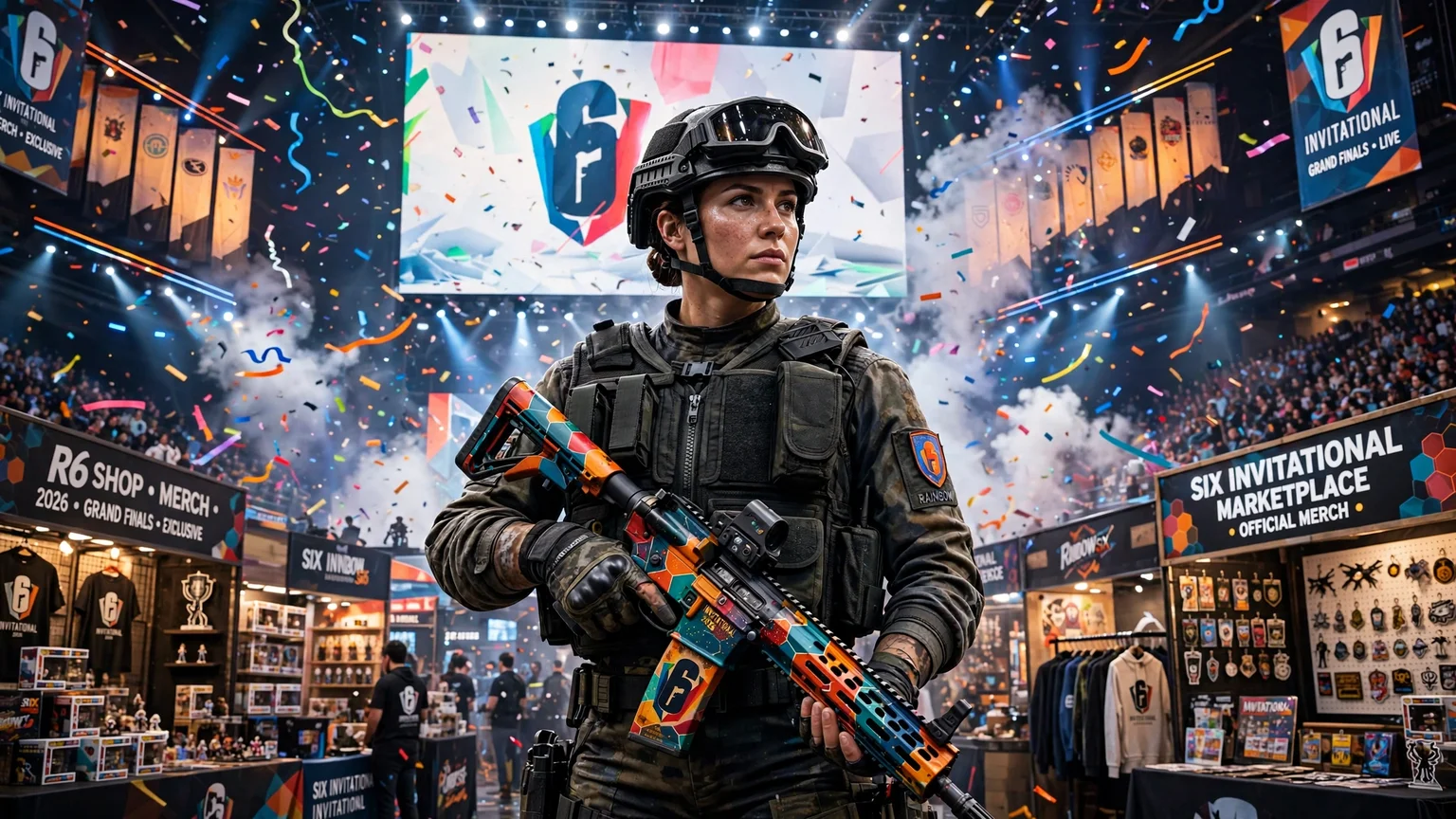
What the Six Invitational Represents
The Six Invitational is Siege's flagship tournament. Teams qualify through regional leagues and global competition, then meet for a high-stakes event that crowns a champion. The matches are tense, the strategies are refined, and the crowd energy is a big part of the spectacle. Even players who never follow esports closely often recognise the Invitational name, because it appears in game menus, streams, and community discussion each year.
That status shapes the cosmetics. Invitational skins are designed to be noticed. They may use event colours, team-inspired details, or championship-style markings that set them apart from everyday weapon finishes. The goal is celebration, not camouflage. A player using an Invitational skin is signalling that they follow, or at least appreciate, the competitive scene.
It also helps to understand that Invitational collections change each year. New designs arrive with new events, while older designs become part of Siege history. That yearly rhythm means collectors need to be specific. Saying you want a Six Invitational skin is only a starting point. You need to know which year's design, which weapon, and which bundle or set you mean, because those details change everything about availability and value.
What Sets Invitational Skins Apart
Invitational skins stand apart in three ways. First, they are event-branded. Their colours and details reference the tournament, which gives them a story that a generic pattern does not have. Second, they are often bolder. Bright accents, clean event markings, and championship-style details are common, because the skins are meant to be seen on stage and in streams.
Third, they connect to teams and players in a way seasonal skins do not. Some Invitational items are linked to organisations, regions, or competitive moments, and fans buy them partly to show support. That fan connection is powerful, but it is also personal. A skin linked to a team you support feels very different from the same style linked to a team you do not follow. Collectors should be honest about that distinction, rather than buying every Invitational item as if they are all equal.
That said, not every Invitational skin is loud. Some designs are surprisingly restrained, using event colours in small details rather than across the whole weapon. Those quieter designs often age better, because they work with more uniforms and maps. If you like bold esports looks, go bold. If you prefer a subtle nod to the event, look for designs where the branding is an accent, not the whole finish.
How US Collectors Should Judge Invitational Skins
Start with the team or event connection. Do you actually follow that team, remember that final, or care about that year? If yes, the skin has personal value that no ranking can replace. If no, judge it purely on looks, and do not pay extra just because it carries an Invitational label.
Next, check the weapon and the loadout fit. Invitational finishes are often made for popular weapons, but not every finish fits every playstyle. A bold finish on a gun you never use is still a gun you never use. Also test the look in different maps. Bright event colours can look striking on dark maps and washed out on bright maps, or vice versa. Watch gameplay clips before committing, so you see the finish in motion, not just in a menu image.
Then verify the exact item and its current status. Invitational items can appear in bundles, team sets, or limited windows, and their marketplace status can differ by item. Check the live screen for that specific item, and use general guides only for context. The best R6 Marketplace skins guide shows how esports finishes compare with other styles, while the R6 Marketplace prices page gives general value discussion without setting official prices. If you are new to trading, how to use R6 Marketplace explains the process in plain terms.
Building an Esports-Themed Loadout
An esports loadout should feel like support, not a billboard. Choose one Invitational weapon finish as the centrepiece, then keep the uniform and charm restrained so the weapon stands out. If you support a specific team, a matching charm or uniform accent can complete the look, but adding every team item at once can make the loadout feel cluttered.
Think about maps and modes, too. Invitational skins are made to be seen, so they work well in casual matches, custom games, and clips where presentation matters. In ranked play, the same bold finish is still cosmetic only, so it will not help or hurt your performance. Choose it because you enjoy seeing it, not because you expect opponents to react to it.
For content creators and stream viewers, Invitational skins have an extra benefit. Viewers recognise event branding quickly, and that recognition can start conversations about matches, teams, and favourite moments. If you stream or share clips, an Invitational finish can be a natural talking point, as long as it fits the rest of your loadout and does not distract from gameplay.
Common Mistakes With Esports Skins
The biggest mistake is confusing the event label with value. Every Invitational item is linked to a big event, but not every item is equally popular, equally usable, or equally available. Another mistake is buying a team item for a team you do not support, simply because it looks popular online. That purchase often feels hollow later, when the hype fades and you are left with a finish that means little to you.
A third mistake is assuming older Invitational items are always rarer or better. Older does not automatically mean better, and newer designs sometimes improve on older ones with cleaner details or better weapon choices. Judge each design on its own merits, and compare screenshots side by side before you decide.
Finally, be careful with fan-guide figures about fees, limits, or cooldowns. Those details are community-reported, not verified official policy, and they can change. Always check the current in-game and marketplace screens at the time of a trade. That habit matters for esports items especially, because bundle and team-set rules can be more complex than standard skin rules.
| Invitational check | What to confirm | Why it matters |
|---|---|---|
| Year and team | Exact event and set | Avoids generic label confusion |
| Weapon use | Your main guns first | Keeps the purchase practical |
| Look in motion | Gameplay clips, not only menus | Bright finishes change by map |
| Live status | Current marketplace screen | Bundle rules differ by item |
Frequently Asked Questions
Are Six Invitational skins only for esports fans?
No. Anyone can use them, and many players buy them simply because they like the design. Esports fans may value the team or event connection more, but the skins work as regular cosmetics for any player.
Do Invitational skins give a competitive advantage?
No. They are cosmetic only and do not affect damage, recoil, or gadget power. They may look impressive on stream, but they do not change how a match plays.
Are older Invitational skins better than newer ones?
Not necessarily. Older designs carry history, while newer designs may have cleaner details or better weapon coverage. Judge each skin by its look, its weapon, and your personal connection to that event or team.
Can I trade Invitational skins on the marketplace?
It depends on the specific item and current rules. Some Invitational-linked items may be tradable, while others tied to bundles or team sets may not be. Verify the exact item on the live marketplace screen before planning a trade, and start from the R6 Marketplace homepage for general guidance.
Which Invitational skin should a new collector start with?
Start with a finish for a weapon you already use, linked to an event or team you actually remember or support. That personal connection makes the first purchase meaningful, and it avoids spending on a famous label that means little to you.
Related guides: Black Ice Skins: An Easy Complete Category Guide for Traders, Pro League Gold Skins R6: A Trader's Guide to Competitive Gold, Best Skins, Hibana Elite Onkochishin: A Guide to Her Elegant Elite Set.
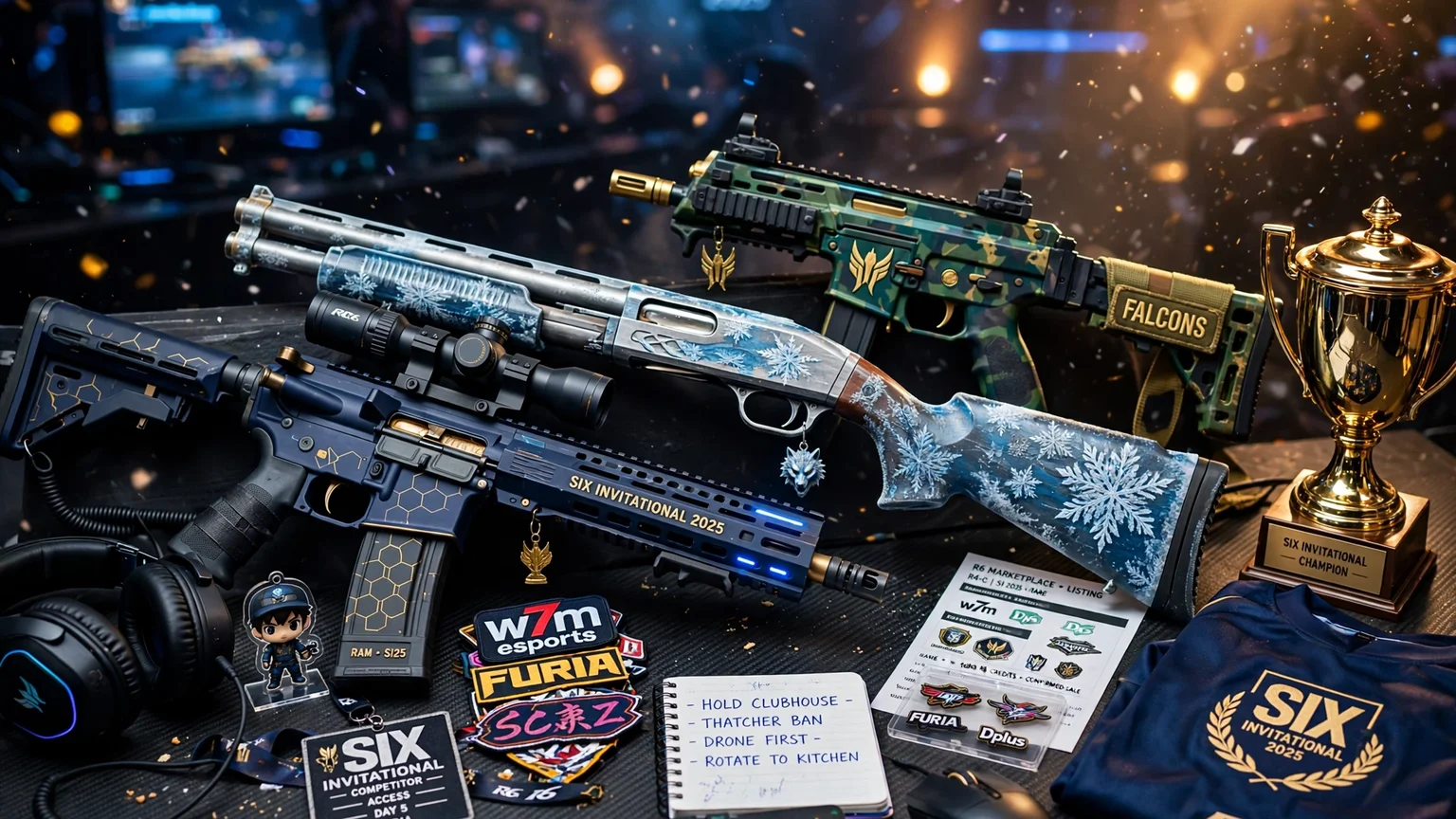
Final Conclusion
Six Invitational skins are special because they connect everyday Siege play with the biggest stage in its esports scene. They celebrate championships, teams, and memorable finals, and they do so with bolder, more noticeable designs than most seasonal finishes. For United States collectors, the smart approach is to choose designs linked to events or teams you genuinely care about, for weapons you actually play, and to verify each item on the live marketplace screen.
Do not collect Invitational skins just to own the label. Collect the ones that remind you of a match you loved, a team you support, or a design you enjoy seeing every round. That personal, careful approach turns an esports purchase into a lasting part of your collection, rather than a short-lived hype buy.
Official source: Rainbow Six Siege.