To understand trading today, it helps to ask why the r6 marketplace was introduced, and this guide explains the history, the strong player demand behind it, and what it changed for United States Siege players and collectors. Read on. Stay calm today.
Every long-running game eventually faces the same question from its players: what happens to all the items we collect but no longer use? Rainbow Six Siege, with years of operators, seasons, events, and cosmetic designs, faced that question more than most. Players had inventories full of skins tied to old seasons, favourite operators they had moved on from, and finishes they admired but never equipped. At the same time, other players were searching for those very items, sometimes for years, with no reliable way to obtain them. The marketplace was introduced into that gap, as a structured answer to a demand players had expressed for a long time.
This guide does not claim a single official reason or a behind-the-scenes decision document. Instead, it explains the context any United States player needs to understand trading today: the collecting culture that grew up around Siege, the problems with informal trading, and the changes a dedicated platform brought. Understanding that background helps you trade more wisely, because you can see why listings work the way they do, why patience matters, and why safety rules exist in the first place.
Siege Collecting Grew Far Beyond the Original Shop
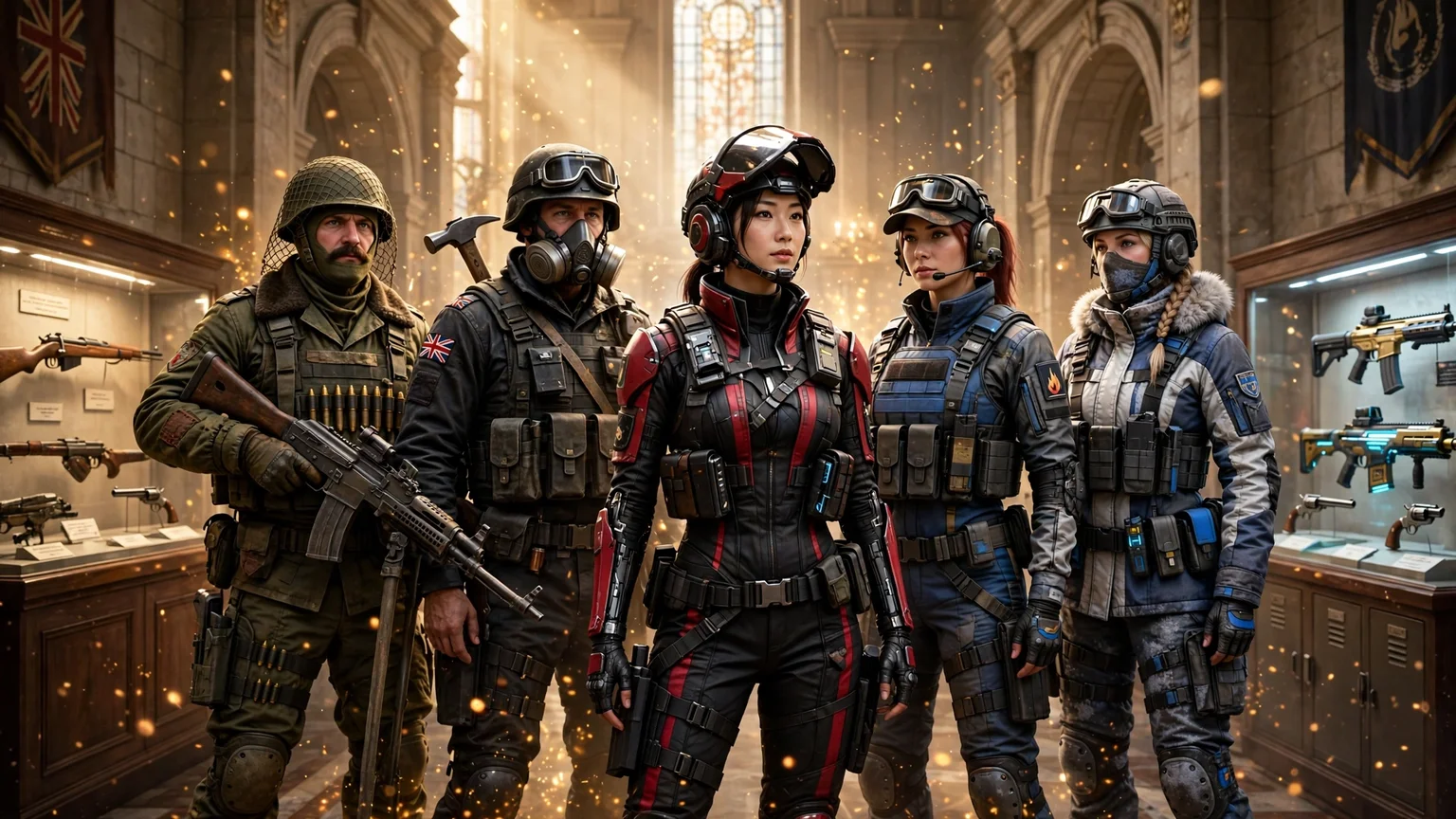
When Siege launched, cosmetics were relatively simple. Over time, seasons added operators, each with their own weapons, headgear, uniforms, and signature styles. Events added limited designs. Bundles and collections gave players themed sets to complete. For many players, collecting became a second game alongside the tactical matches themselves. A loadout was no longer just equipment. It was a statement about taste, history, and loyalty to a favourite operator.
That growth created a natural imbalance. A player who mained one operator for two years might own dozens of items for that character, plus scattered items for characters they tried once and abandoned. Another player, returning after a break or discovering the game later, might want an older design they missed, but have no route to earn it again.
The in-game shop, which sells items directly, could not solve both sides at once. It could offer new items, but it could not redistribute items already owned by other players. A player-to-player system was the missing piece, because it lets the community itself move items from inventories where they sit unused to players who will actually enjoy them.
United States players felt this imbalance keenly, because Siege's American community spans casual evening squads, dedicated ranked players, content creators, and collectors who follow every season. In matches across the country, you could see rare finishes that sparked conversation: where did you get that, and can I find one too? For years, the honest answer was often that you could not, unless you had been there at the right time. The marketplace changed that answer from a dead end into a possibility, even if availability still depends on other players choosing to sell.
The Problem With Informal Trading
Before a dedicated platform existed, players who wanted to exchange items had to rely on informal routes: messages, forums, social media posts, and private negotiations with strangers. Those routes had three serious problems. First, trust was fragile. There was no shared listing, no standard confirmation, and no neutral place where both sides could see the same terms. Second, scams were easier. A player could promise an item, receive payment or another item, and disappear. Third, discovery was poor. Finding the one player who owned the exact skin you wanted, at a moment when they were willing to part with it, depended on luck and constant searching.
Informal trading also created uneven experiences. A well-connected player with a large network might find deals easily, while a quieter player with no trading contacts found nothing at all.
Newer players were especially vulnerable, because they lacked the experience to spot warning signs, and they were the most likely to accept an off-platform deal that sounded generous. A dedicated marketplace addresses those problems structurally, not by asking every player to become an expert negotiator, but by giving everyone the same visible listings, the same confirmation steps, and the same account-linked protections. That levelling effect is one of the most important reasons a formal platform matters, even for players who never become heavy traders.
What a Dedicated Marketplace Changed for Players
The most visible change was discovery. Instead of hunting through scattered posts, players could search for an item, compare listings, and see what was actually available. That transparency changed behaviour. Buyers could wait for fair listings instead of accepting the first offer from a stranger. Sellers could reach many interested buyers at once instead of advertising to a small circle. Collectors could track which items appeared often and which ones were genuinely scarce, building knowledge over time rather than guessing from rumour.
The second change was safety culture. When trades happen inside a platform with listings and confirmations, the rules are clearer for everyone. Players learn to check item details, verify accounts, and avoid off-platform deals, because the platform itself models that behaviour. Over time, that culture spreads beyond trading. Players become more careful about links, passwords, and authentication in general, which protects their whole account, not just their skins. For United States players trading in short evening windows, that clarity is especially valuable: you can make a good decision in a few focused minutes, rather than spending an evening negotiating with a stranger.
The third change was the life of older items. Skins that once sat forgotten in inventories gained a second life when they reached players who wanted them. A design from an earlier season could find a new owner who would equip it proudly, rather than remaining unseen. That circulation keeps the game's visual history alive. New players can discover older styles, long-time players can refine their collections, and the community's shared taste evolves through what players actually choose to buy, sell, and keep.
What the Marketplace Did Not Change
It is equally important to understand what the marketplace did not change. It did not turn cosmetics into investments with guaranteed returns. Values still move with supply and demand, and an item bought with enthusiasm can lose popularity. It did not make every item available on demand. Rare items still require patience, and some items may not appear for a long time. It did not remove the need for personal judgment. Buyers still need to check listings, sellers still need to price fairly, and everyone still needs to protect their account and avoid off-platform deals.
For United States players, that honest framing matters. The marketplace is best enjoyed as a collecting hobby inside a game you already love, not as a side income or a race to own the rarest items. If you approach it that way, its introduction feels like a genuine improvement: more choice, clearer trading, and a fairer chance for every player to find the look they want. If you approach it expecting profit or instant availability, disappointment follows quickly, through no fault of the platform itself. Expectations, as much as features, decide whether trading feels rewarding.
How This History Helps You Trade Today
Knowing why the marketplace was introduced helps you make better decisions now. When you see a rare listing, you understand it is rare because another player chose to sell something from their own history, not because a shop restocked it. When a listing sits unsold, you understand that fair pricing and patience, not aggressive haggling, are what move items in a visible market. When someone offers you an off-platform shortcut, you understand why that shortcut undermines the very protections the platform was built to provide, and you can decline with confidence.
History also encourages a collector's patience. The items you want today may appear next week, next month, or in a different form as other players refine their own collections. Keeping a short wish list, setting a comfortable budget, and checking listings calmly, as described in our general guide at How to use R6 Marketplace, will serve you better than chasing every new listing. For ideas on styles collectors value, browse our picks at Best R6 Marketplace skins, but let your own taste, not hype, decide what belongs in your loadout.
Frequently Asked Questions
Was there really no way to trade Siege skins before the marketplace?
There was no dedicated, structured player-to-player platform of this kind. Players relied on informal messages and posts, which lacked visible listings, standard confirmations, and consistent protections, making trading harder, riskier, and less fair for most players.
Did the marketplace make all old skins available again?
No. Availability still depends on other players choosing to list items they own. Some older designs appear regularly, others rarely, and some may not appear for a long time. Patience and a wish list are still essential for collectors.
Why does the marketplace use listings instead of direct player-to-player swaps in chat?
Listings give every player the same visible terms, searchable items, and confirmation steps, which reduces scams, improves discovery, and lets buyers compare options calmly instead of negotiating privately with strangers under time pressure.
Is trading now completely safe?
No trading system is completely safe, and account security still matters. Trading inside the official platform is far safer than informal deals, but you should still verify listings, protect your password and authentication codes, and never move a deal off the platform.
Should I treat marketplace items as investments?
No. Treat them as enjoyment and collection. Values move with supply and demand, there is no guaranteed return, and the best purchase is an item you will genuinely enjoy using in matches, regardless of what happens to its popularity later.
Related guides: Is R6 Marketplace Down? An Easy Status-Check Guide, Is R6 Marketplace Closed? An Easy Guide to Closed vs Down for Players, Browse R6 Marketplace, Siege Marketplace Down: What Players Should Do During an Outage.
Final Conclusion
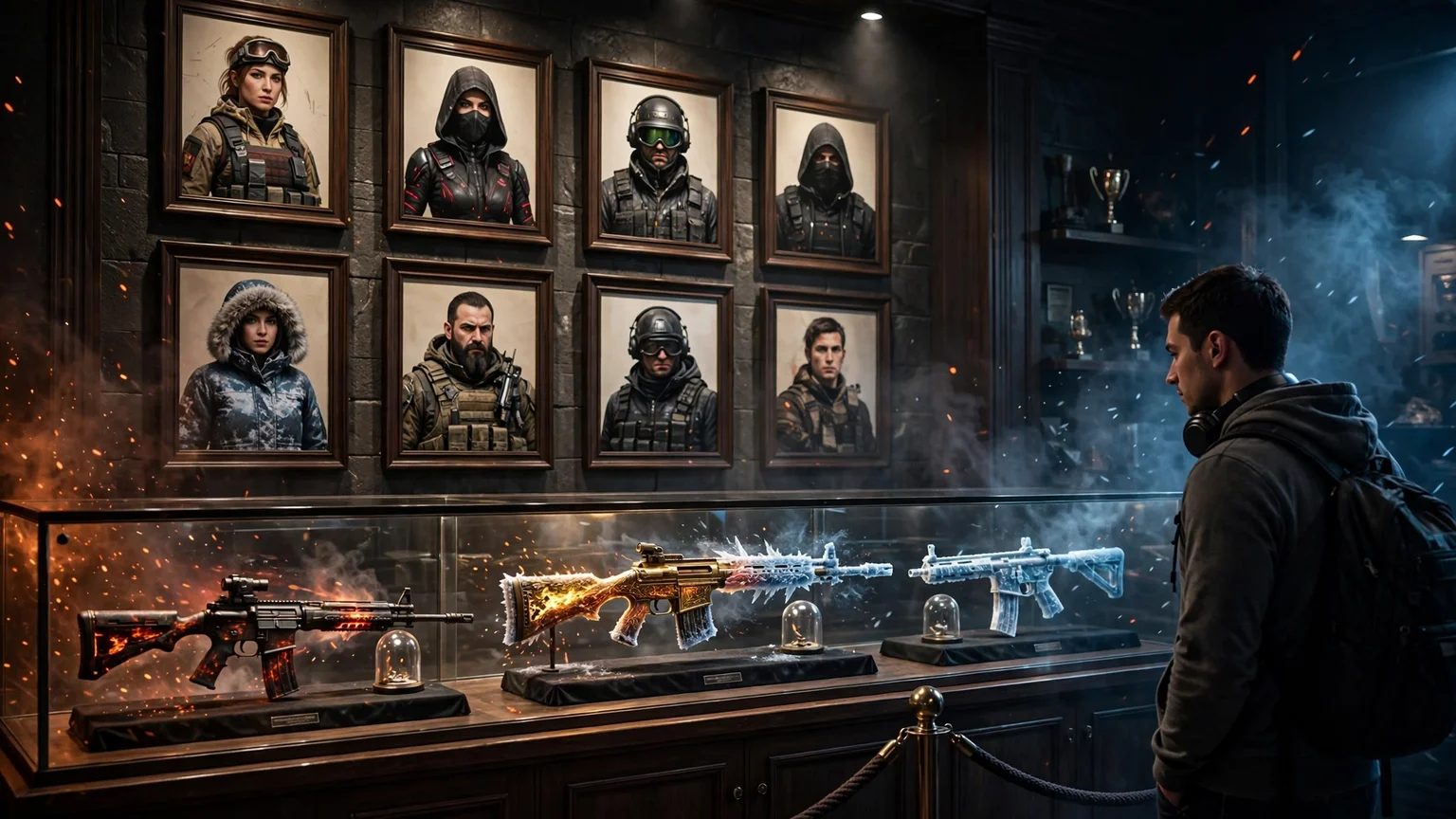
The R6 Marketplace was introduced because Siege collecting outgrew the original shop, informal trading was unsafe and uneven, and players needed a structured place to exchange cosmetics they already owned. For United States players, its arrival meant visible listings, fairer discovery, a safer trading culture, and a second life for older designs that might otherwise have sat unused forever.
It did not promise profit, instant availability, or an end to careful judgment, and understanding those limits is part of trading well. If you carry that history into your own trading, you will browse more patiently, price more fairly, protect your account more carefully, and enjoy your collection more deeply. The marketplace is, at heart, a community tool: players helping other players find the looks they love, one careful listing at a time.
Official source: Rainbow Six Siege.