Outbreak was a strange, tense limited event, and this guide explains what outbreak skins rainbow six siege included, why they remain memorable, and how United States players should value them now. Use it before you buy, trade, or chase an event skin.
Outbreak was not a normal Siege season. It was a limited-time cooperative event that dropped operators into a quarantined town, facing infected enemies rather than a rival team. That change of pace made it memorable. The maps felt eerie, the objectives felt urgent, and the cosmetics that came with it carried that same tense, contaminated-zone mood. Even players who never played the event itself often recognise its look: dark gear, hazard details, and a sense of something going wrong.
For United States collectors, Outbreak skins are interesting because they belong to a moment, not to an ongoing theme. Seasonal skins can return in different forms, but event skins are tied to a specific story and a limited window. That does not automatically make every Outbreak item valuable, but it does make the collection feel distinct. If you like Siege lore, cooperative modes, and darker cosmetic themes, Outbreak is a set worth understanding properly before you spend anything.
What the Outbreak Event Was
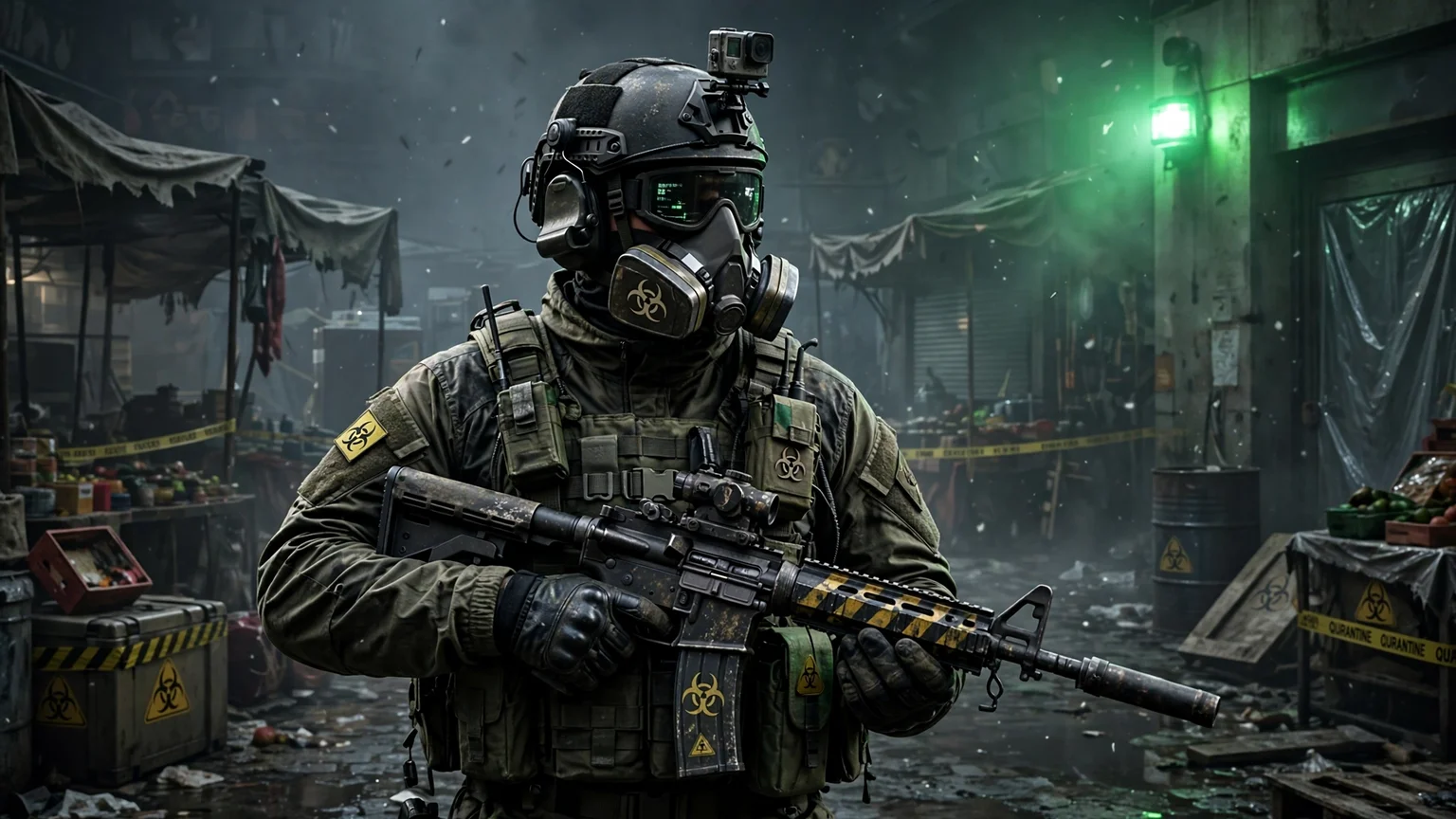
Outbreak took Siege operators out of player-versus-player matches and into a three-player cooperative mission. Teams moved through a quarantined area, rescued a target, and fought waves of infected enemies with different behaviours. Some enemies rushed, some exploded, and some were heavily armoured. That variety forced teams to coordinate, manage ammunition, and use gadgets in ways that normal matches rarely required.
The event also introduced operators whose tools fitted the mission, and it gave players a reason to revisit maps with a completely different mood. Lighting was darker, sound design felt more threatening, and the usual tactical rhythm changed. You could not rely on the same angles and peeks, because the threat came from many directions at once. That cooperative pressure is a big reason Outbreak is still discussed years later, even by players who mainly play ranked today.
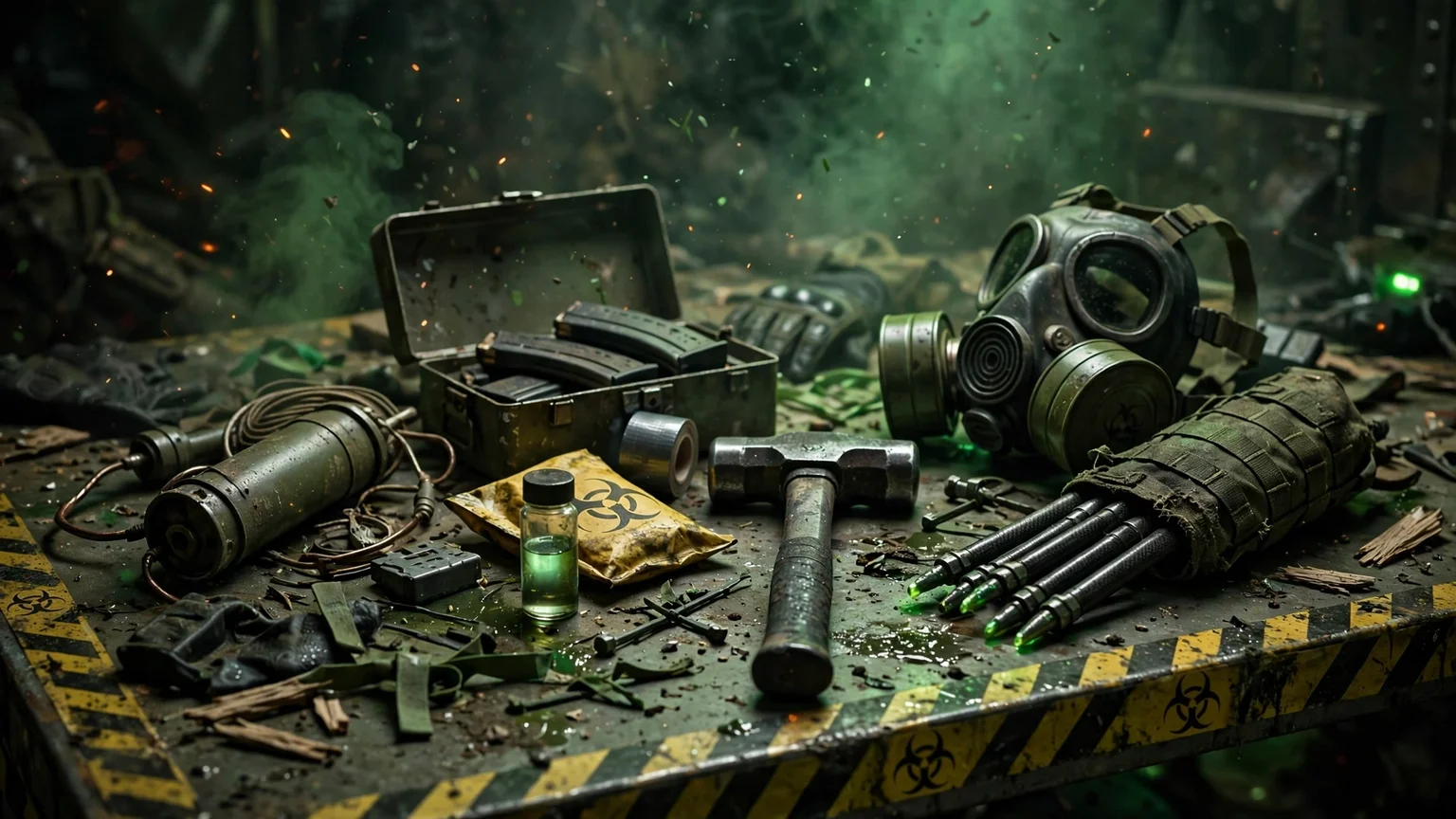
Cosmetically, Outbreak leaned into quarantine and biohazard imagery without turning Siege into a horror game. Uniforms looked practical and protective, weapon finishes looked worn and gritty, and details suggested contamination, hazard zones, and emergency response. The look was serious rather than silly, which helped it age better than many event cosmetics that rely on jokes or bright colours.
What Makes Outbreak Skins Different
Outbreak skins differ from regular seasonal skins in three ways. First, they are tied to a story. A regular skin might simply be a colour or pattern, while an Outbreak skin suggests a place and a mission. That story connection matters to lore-focused collectors, who enjoy owning items that represent a chapter in Siege history.
Second, they are visually darker and grittier. Where a seasonal skin might use clean desert tones or bright esports colours, Outbreak finishes tend to use muted, weathered, and hazard-marked designs. That grittiness pairs well with dark uniforms, and it stands out on bright maps without looking cartoonish. If your collection leans tactical and realistic, Outbreak fits naturally.
Third, event items often have a different availability story. Because Outbreak was limited in time, players associate its items with that window, even if similar items appear later. That association can increase interest, but it should not be confused with a guarantee. Availability, bundles, and marketplace rules change, so always check the specific item rather than assuming all event items behave the same way.
Judging Outbreak Skins as a US Collector
Start by asking whether you like the theme itself. Outbreak is a specific mood: tense, dark, and slightly unsettling. If you prefer clean, bright, or minimal loadouts, an Outbreak finish may feel out of place, no matter how popular it is. Collecting works best when the theme matches your taste, not just community hype.
Next, check the weapon. An Outbreak finish for a gun you rarely use will sit in your inventory, while the same finish for your main rifle will be visible every match. That practical test matters more than any ranking list. Also check how the finish looks in different lighting. Gritty, dark finishes can look excellent in dim maps and flat in very bright menus, or the reverse. Watch gameplay clips if you can, rather than judging from one thumbnail.
Then verify tradability and listing details on the live marketplace screen. Event items can have different rules from standard skins, and fan guides cannot replace that live check. For general context on how players discuss value, the R6 Marketplace prices page is useful, and the best R6 Marketplace skins guide places event finishes alongside seasonal and esports options. If you need account basics first, the R6 Marketplace requirements guide is a sensible starting point.
Building an Outbreak-Themed Loadout
An Outbreak loadout should feel like a quarantine response team, not a costume party. Start with a dark uniform and a gritty weapon finish, then add one hazard-style detail, such as a matching charm or headgear. Avoid mixing Outbreak gear with bright, unrelated event skins, because the mood breaks quickly when too many themes compete.
Think about operator choice, too. Outbreak is linked in many players' minds with the operators who featured in the event, but you can use its finishes more broadly if the weapon matches. A dark, weathered rifle looks natural on many attackers and defenders, especially those with tactical uniforms. The key is coherence: if the uniform, weapon, and charm all suggest the same serious, field-worn story, the loadout works.
For clips and screenshots, Outbreak gear has a clear advantage. Its dark, detailed look photographs well in both bright and dim scenes, and hazard details give close-ups something interesting to show. If you share content, try a dim map screenshot first, where the gritty texture and lighting stand out most, then a bright map shot to confirm the finish still reads clearly.
Mistakes to Avoid With Event Skins
The most common mistake is treating every event item as automatically rare or valuable. Limited time does not equal high demand, and demand depends on the item, the weapon, and the community's taste. Another mistake is buying an event skin for a weapon you do not play, simply because the event name sounds special. The name does not make the gun more useful to you.
A third mistake is relying on old screenshots or old guides for tradability. Event rules and marketplace listings change, so a guide from years ago may not reflect the current status of a specific item. Always check the live screen before a trade, and be wary of listings that use vague event language without naming the exact item.
Finally, do not treat fan-guide reports about fees, limits, or cooldowns as verified official policy. Those figures are often community-reported and can become outdated. Use them as a reminder to check current screens, not as a promise. That caution applies to every event collection, and it is especially important for older events like Outbreak, where information online is mixed with nostalgia and guesswork.
| Outbreak check | What to confirm | Common trap |
|---|---|---|
| Theme fit | Dark, gritty mood suits you | Buying for hype alone |
| Weapon match | Your main guns first | Event name over practical use |
| Exact item | Full name and description | Similar hazard skins confused |
| Live status | Current marketplace screen | Old guide assumed current |
Frequently Asked Questions
Was Outbreak a normal Siege season?
No. Outbreak was a limited-time cooperative event with its own mission, enemies, and mood. It felt different from regular player-versus-player seasons, which is why its cosmetics still stand out in collections today.
Are Outbreak skins still available?
Availability depends on the specific item and on current store, bundle, and marketplace rules. Some event items return in different ways, while others do not. Check the in-game store and the live marketplace screen for the exact item you want, rather than assuming all Outbreak items share the same status.
Do Outbreak skins change gameplay?
No. Like all Siege skins, they are cosmetic only. They do not change damage, health, speed, or gadget power. Their value is in their look, their story, and how much you enjoy using them.
Can United States players trade Outbreak skins?
Some event-linked cosmetics may be tradable, while others may not be, depending on the item and current rules. Always verify the specific item on the live marketplace screen before you plan a trade, and start from the R6 Marketplace homepage if you need general guidance.
What pairs well with Outbreak finishes?
Dark, practical uniforms, muted headgear, and a single hazard-style charm usually work best. Avoid mixing too many bright event themes at once, so the quarantine-zone mood stays coherent.
Related guides: Black Ice Skins: An Easy Complete Category Guide for Traders, Pro League Gold Skins R6: A Trader's Guide to Competitive Gold, Best Skins, Six Invitational Skins R6: An Easy Esports Collector Guide.
Final Conclusion
Outbreak skins remain memorable because they represent a unique moment in Siege history: a cooperative, quarantine-zone mission with a dark, gritty look that still feels distinct today. For United States collectors, they are worth considering if you enjoy that mood, if the finish fits weapons you actually play, and if you have verified the item's current availability and tradability.
Do not buy Outbreak gear only because it sounds limited or historic. Buy it because you like how it looks in real matches, because it fits your loadout, and because you have checked it properly. That approach keeps event collecting enjoyable, avoids hype-driven mistakes, and leaves you with a set that still feels special long after the event itself has ended.
Official source: Rainbow Six Siege.